- Λεπτομέρειες
- Συντάκτης: PPapadimitriou
- Κατηγορία: Liturgical articles
- Εμφανίσεις: 568
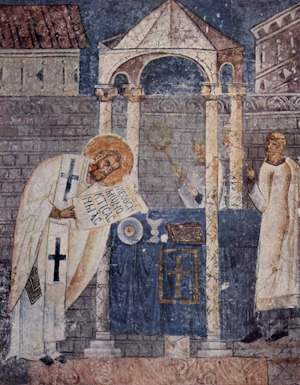 The Audible Recitation of the Secret Priestly Prayers of the Divine Liturgy from an Empirical Perspective
Pan. Papadimitriou, PhD
From the 2nd Greek edition (7/6/2026), 24/8/2026
[at the end the article is given in pdf]
“having shut thy door, pray to thy Father who is in secret”, Mat. 6:5–6
“while the Secret Prayer is being performed” (St. Gregory of Nyssa, 4th c.)
“the first [Prayer] silently/secretly”, 19th Canon, The Council of Laodicea (364 A.D.)
A characteristic feature of the Orthodox is their adherence to Tradition. The observance of Holy Tradition is an Apostolic command: “Stand fast, and hold the traditions” (2 Thess. 2:15). “Let all things be done decently and in order” (1 Cor. 14:40). In ministry within the Orthodox Church, each person does not simply act according to his own will; otherwise, in practice, he adopts a Protestant mentality. The Church is “following the Holy Fathers,” not following the personal opinions of each individual.
Why must the Tradition of the Church be observed? Holy Tradition is the secure path of the Church, the path of the Holy Fathers, the secure path of divine worship, prayer, repentance, purification, illumination, and deification.
As we saw in a previous article, the Tradition of the Divine Liturgy is as follows: the Deacon proclaims aloud (eis epēkoon) the common Prayers by way of exhortation, addressing the Priest and the faithful; they, in response, pray secretly (inwardly, mentally) and individually—the Priest with his own Prayers, and the faithful with the silent Kyrie eleison (“Lord, have mercy”) or with their own prayers. The Chanter responds aloud as the “guide” of the faithful in their prayerful responses to the Deacon’s common Prayer.
- Λεπτομέρειες
- Συντάκτης: PPapadimitriou
- Κατηγορία: Liturgical articles
- Εμφανίσεις: 1040
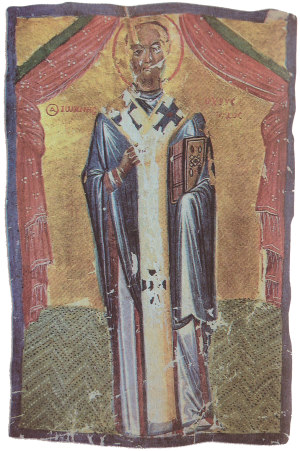 “Let Us Pray to the Lord”: Neither “Pray Thou, Father” nor “Pray Ye, Faithful” (Secret Prayers)
Pan. Papadimitriou, PhD
From the 3rd Greek edition, 15/5/2026
[at the end the article is given in pdf]
“while the Secret Prayer is being performed” (St. Gregory of Nyssa, 4th c.)
In this article we argue that when the deacon says “Let us pray to the Lord,” we must understand this as addressed both to the priest and to the faithful. Thus, the priest obeys and responds with his secret priestly prayer, while the faithful, also pray secretly and inwardly, chiefly with “Lord, have mercy,” while only the chanter gives the response aloud. The central thesis is that in the Divine Liturgy there are three coordinated forms of prayer: the common audible deaconal prayers through Prosphonesis, the secret priestly prayers, and the secret lay or monastic (in the monasteries) prayers. These are not competing or disconnected prayers, but one common ecclesial prayer rising to God. The prayers of all become one Prayer, one Power, by the Grace of God. The traditional silent reading of the priestly prayers, is defended, and their modern amplification through microphones is critisized, and several academic positions concerning the timing, audience, and function of the priestly prayers are challenged.